

- Teleskope
- Übersicht:
Teleskope - Achromatische Refraktoren
- APOchromatische Refraktoren
- Übersicht:
APOchromatische Refraktoren - ED Refraktor - weniger Farbfehler als ein Achromat
- SD APO - farbreines 2-Element APO Objektiv
- EDT APO - 3-Element ED Objektiv
- VOLL APO mit 3-Element APO Objektiv - kein Farbfehler
- Flatfield APO mit ebenem Bildfeld für Astrofotografie
- Alle Apos und EDs aller Hersteller - große Übersicht
- TS APO und ED aus Japan mit Qualitätsoptiken
- Übersicht:
- Newton Teleskope
- Dobson Teleskope
- RC Ritchey Chretien Teleskope
- Cassegrain Teleskope
- Spiegelteleskope mit Linsenkorrektur
- Maksutov Cassegrain Teleskope
- GoTo Teleskope
- Smart Teleskope
- Sonnenteleskope H-Alpha
- Übersicht:
- Montierungen Stative Schellen Schienen Stromversorgung
- Übersicht:
Montierungen Stative Schellen Schienen Stromversorgung - Montierungen Parallaktisch mit GoTo
- Montierungen Parallaktisch ohne GoTo
- Montierungen AZ mit GoTo
- Montierungen AZ ohne GoTo
- Montierungen GoTo - Harmonic Drive
- Reisemontierungen für Astrofotografie
- Stative Säulen Polhöhenwiegen
- Montierungssteuerung Elektronik
- Prismenklemmen, Schienen, Montierungsadapter
- Rohrschellen
- Stromversorgung
- Gegengewichte Laufgewichte
- Montierungszubehör Divers
- Übersicht:
- Teleskop-Zubehör
- Übersicht:
Teleskop-Zubehör - Okulare
- Barlowlinsen & Reducer
- Zenitspiegel & Prismen
- Binokulare Ansätze
- Sucherteleskope
- Teleskopjustage und Test
- Reinigung und Pflege
- Transport und Aufbewahrung
- Staubschutz für Teleskope & Zubehör
- Schutz gegen Streulicht
- Tauschutzkappen, Heizung, Lüfter
- Auszüge, Teleskopadapter, Motorfokus
- Teleskop Selbstbau & Verbesserung
- Weiteres Teleskopzubehör
- Zubehör-Ersatzteile
- Übersicht:
- Filter
- Übersicht:
Filter - Farbfilter und Farbfiltersets
- Nebelfilter für die Beobachtung
- Neutralfilter und Polarisation Filter
- Foto Schmalband Nebelfilter
- Foto Breitband Nebelfilter
- Foto Planetenfilter
- Foto R-G-B und IR-Sperr Filter
- Foto - Filtersets
- Photometrische Filter
- Clip Filter für Spiegelreflexkameras
- Filterrad Filterschublade Filterschieber
- Sonnenfilter für Weißlicht
- Sonnenfilter für H-Alpha und Kalzium
- Übersicht:
- Adapter
- Übersicht:
Adapter - Adapter 1,25" und 24,5mm
- Adapter 2"
- Adapter T2 - M42x0,75
- Adapter M48x0,75
- Adapter M54
- Adapter SC
- Adapter M63
- Adapter M68
- Adapter auf weitere Gewinde
- Adapter Verlängerung
- Adapter Kamerabajonett
- Adapter Objektiv-Filtergewinde
- Adapter Schnellkupplung und Rotation
- Adapter Okularprojektion
- Adapter Tilting
- Übersicht:
- Astrofotografie und Fotografie
- Übersicht:
Astrofotografie und Fotografie - Kameras gekühlt
- Kameras ungekühlt
- Kameras Deep-Sky ungekühlt
- Kameras Setangebote mit Filter
- Zubehör für Kameras
- Reisemontierungen für Astrofotografie
- Bildfeld Korrektoren für Teleskope
- Autoguider Kameras & Sets
- Alles für die Nachführung
- Scharfstellhilfen - Bahtinov Masken
- Flatfield Leuchtfolien und Boxen
- Kameraobjektive
- Piggyback Astrofotografie
- Digiklemmen Smartphone Adapter
- Kamerataschen, Fotokoffer, Zubehör
- Weiteres Fotozubehör
- Übersicht:
- Ferngläser, Spektive, Mikroskope, Entfernungsmesser
- Übersicht:
Ferngläser, Spektive, Mikroskope, Entfernungsmesser - Spektive und Spektivzubehör
- Dachkant Prismen Ferngläser
- Ferngläser mit Porro Prismen
- Ferngläser ab 100mm Öffnung
- Ferngläser mit 1,25 Zoll Okularen
- TSMX APO Ferngläser
- Ferngläser für Astronomie
- Ferngläser Wandern Jagd Vögel
- Monokulare - Opernglas
- Zubehör für Ferngläser
- Entfernungsmesser
- Mikroskopie
- Taschen für Fotostative & Ferngläser
- Übersicht:
- Fotostative und Schwenkmontierungen
- Bücher, Software
- Übersicht:
Bücher, Software - Bücher für Astronomie-Einsteiger
- Sternkarten und Atlanten
- Bücher über das Sonnensystem
- Beobachtungstipps für Sternfreunde
- Allgemeine Astronomie Literatur
- Lehrmittel
- Astrofotografie Bücher
- Teleskoptechnik, Sternwarten, Selbstbau
- Jahreskalender und Jahrbücher
- Software Sternkarten
- Bücher über Mikroskopie
- Bücher Natur und Umwelt
- Naturfotografie TimeLapse
- Übersicht:
- Nachtsichtgeräte, Lupen, Wetter, Sternwarten & mehr
- Einsteiger-Astronomie und Geschenkideen
- Schnäppchen & Aktionen neu/gebraucht
- Neue Artikel

Hersteller


Hersteller: -TS Teleskope
Art.Nr.: Starscope1149
EUR179.90new
EUR 179,90UVP EUR 229,00Sie sparen 21.4% (EUR 49,10)
inkl. 19 % MwSt (DE)
Die angegebene MwSt. bezieht sich auf die in Deutschland geltende. Nach dem Login wird der MwSt.-Betrag an die geltende MwSt. des hinterlegten Lieferlandes angepasst. Daher kann der Endpreis entsprechend variieren.
zzgl. 13,95 € Versandkosten (DE)
mehr Details zu den Versandkosten ...Bitte einloggen um die Versandkosten für Ihr Land zu ermitteln.

Bewertung: 4.8 von 5TS-Optics Einsteigerteleskop Newton 114/900 mm auf parallaktischer Montierung10


- Details..
- Technische Daten..
- Lieferumfang..
- Erfahrungsberichte..
- Herstellerinfos..
- Sicherheitshinweise..
TS Optics Starscope 1149 Newton - ein leistungsstarkes Fernrohr für Einsteiger
Die Starscope Teleskopserie ist die Empfehlung von Teleskop-Service für den Start in die Astronomie. Dieses Spiegelfernrohr mit 114 mm Öffnung bietet eine sehr hohe Lichtsammelfähigkeit. Es zeigt bereits viele Details an Mond und Planeten. Die große Öffnung und die hohe Lichtstärke ermöglichen einen faszinierenden Blick auf Sternhaufen, planetarische Nebel und sogar ferne Galaxien. Trotzdem ist das Teleskop noch sehr transportabel und in wenigen Minuten fertig aufgebaut.Die Vorteile und Ausstattungsmerkmale des TS Starscope 1149 Newton-Teleskopes:
Das ist bereits alles im Lieferumfang enthalten:
Die Optik des TS 114/900 mm Starscope:
Die sauber gefertigte und justierbare Optik des Starscope ermöglicht bei passenden Bedingungen etwa 180fache Vergrößerung. Das erreichen Sie bereits mit dem Standardzubehör, welches im Lieferumfang enthalten ist. Ein weiterer Vorteil der lichtstarken Optik ist aber der Weitwinkeleffekt. Viele Objekte jenseits des Sonnensystems sind sehr groß, fast so groß wie der Vollmond, aber viel dunkler. Setzen Sie das 25-mm-Kellner-Okular ein und Sie haben ein helles und klares Bild für einen optimalen Blick auf diese faszinierenden Himmelsobjekte.Möchten Sie auch fotografieren?
Wir bieten Ihnen im Zubehörbereich die passenden Zusatzteile an, mit denen Sie reizvolle Mondaufnahmen erstellen können oder auch einen prachtvollen Sonnenaufgang filmen können. Sogar Bilder der Sonne, nur mit dem optionalen Objektiv-Sonnenfilter, können Sie machen.Die parallaktische Montierung EQ3-1:
Die Systemmontierung, mit der der TS Newton ausgestattet ist, bietet bereits die Möglichkeit der Einnordung. Da wird die Stundenachse genau auf den Himmelsnordpol ausgerichtet. Der befindet sich in der Nähe des Polarsterns. Das hat für Sie einen großen Vorteil. Sie können allen Objekten am Himmel über die Feinverstellung von nur einer Achse folgen und diese können Sie sogar mit einem Motor ausstatten. Damit bleibt das Ziel automatisch in der Mitte des Okulares stehen für die entspannte Beobachtung oder auch für die Fotografie.Die Montierung ist stabil und schwingungsarm. Sie wird auf einem Aluminiumstativ befestigt, welches auziehbar ist (71-121 cm). So passt sich das Teleskop Ihrer Körpergröße an, es wächst sozusagen mit.
Deutsche Anleitung:
Teleskop-Service hält eine Anleitung in deutscher Sprache bereit, Sie können die PDF-Datei hier herunterladen.Produkteinführung per Video:
Es gibt ein Video zu den drei Einsteigernewtons Starscope1149, Starscope1306 und Starscope1507. Die Sprache ist Englisch, es stehen aber auch Untertitel in deutscher (und englischer) Sprache zur Verfügung.| Optik: | Spiegelteleskop nach Newton |
| Öffnung: | 114 mm |
| Brennweite: | 900 mm |
| Vergrößerung mit enthaltenen Okularen: | 36x, 90x |
| Auflösung: | 1,03" |
| Grenzgröße: | 12,1 mag |
| Okularauszug: | 1,25"-Zahnstangenauszug |
| Montierung: | Parallaktische Montierung EQ3-1 mit Feineinstellung in beiden Achsen |
| Stativ: | aus Aluminium, höhenverstellbar bis 120 cm |
| Gewichtoptischer Tubus: | 3 kg |
| Gewicht Montierung mit Stativ & Gegengewicht: | 7 kg |
Erfahrungsbericht eines zufriedenen Sternfreundes, der nun schon seit über einem Jahr mit dem
StarScope 1149 arbeitet - und ein fotografisches Ergebnis
Astro Praxis von TS: ... Beobachtungen mit dem Newton Spiegelteleskop 114mm Öffnung
 | Der Newton mit 114mm Öffnung und 900mm Brennweite ist sicherlich das Einsteiger Instrument mit der höchsten Verbreitung. Trotzdem wissen die wenigsten, was sie mit einem derartigen Instrument am Himmel erwartet. Wir versuchen, da ein wenig Licht in die Sache zu bringen. (Abbildung links - das StarScope 1149 von TS Optics) Erst etwas Grundsätzliches: |
Die maximal sinnvolle Vergrößerung: Montierung: |
Erdbeobachtungen:
 | Mit dem 114mm Newton sind sehr schöne Erdbeobachtungen möglich, obwohl ein Newton kein ausgesprochener Spezialist für diese Beobachtungen ist. Der Grund ist einfach, das Bild wird immer auf dem Kopf stehend abgebildet. Wenn man sich daran gewöhnt hat, steht einer erfolgreichen Beobachtung nichts im Wege. Wer jedoch ein Fernrohr primär für die Erdbeobachtung sucht, sollte sich eher einen Refraktor zulegen. Wir bieten natürlich auch eine Aufrichtlinse für alle 114mm Newtons an. Mit dieser Linsenkombination wird das Bild wieder aufgerichtet. Auch die Fotografie irdischer Objekte ist mit dem 114mm Newton, mit den richtigen Adaptern, kein Problem. Hier braucht man sich auch keine Gedanken wegen der Bildorientierung zu machen, man dreht halt das Bild einfach um. |
Beobachtung und Fotografie des Mondes
 | Beobachtung des Mondes Der Newton mit 114mm Öffnung ist bereits ein ausgezeichnetes Instrument für die Beobachtung unseres Erdtrabanten. Wir empfehlen für die Mondbeobachtung den klassischen Newton mit 114mm Öffnung und 900mm Brennweite. Diese Geräte haben einen sehr kleinen Fangspiegel. Dadurch wird eine hohe Schärfe erreicht. Mit einer Vergrößerung von ca. 70fach sehen Sie den Mond so, wie am oberen Bild. Eine Fülle von Kratern durchzieht die Mondoberfläche. Die dunklen Flecken, die Mare, sind ebenso sichtbar, wie die strahlenförmigen Risse, die von gewissen Kratern ausgehen. Diese Vergrößerung ist optimal, um sich erstmal einen Überblick über die schönsten Beobachtungsobjekte am Mond zu schaffen. Für die Beobachtung einzelner Details sollten Sie dann 90fach oder mehr verwenden. Das untere Bild gibt den Eindruck bei ca. 150fach wieder. Diese Vergrößerung ist durchaus noch im Rahmen der Möglichkeiten eines 114mm Newtons. Wenn Sie zwischen 90fach und 170fach vergrößern, werden Sie schon viele Einzelheiten in den Kraterwänden oder auch die bekannten Gebirgszüge beobachten können. Wir empfehlen für die Mondbeobachtung bereits einen Mond- oder Graufilter, da der Erdtrabant sonst sehr hell im Okular erscheint. Durch die Abdunkelung des Bildes werden feinere Details sichtbar. |
Ab einer Vergrößerung von 100fach empfehlen wir eine motorische Nachführung. Erst wenn das Bild ruhig im Okular steht, kann man sich auf feinste Details konzentrieren. Bei 100fach braucht ansonsten der Krater nur wenige Sekunden, um die zentralen Bereiche des Okulares zu verlassen. Die Qualität der Luft ist bei hohen Vergrößerungen sehr wichtig. Bei unruhiger Luft (Flimmern und Wabern) sollte man nicht so hoch vergrößern, da man keine genauen Details sehen kann. |
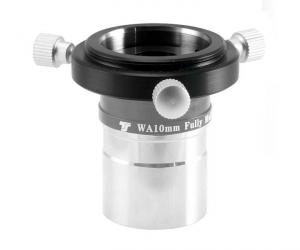
 | Fotografie des Mondes Die Voraussetzung für die Fotografie des Mondes ist aber eine motorische Nachführung, da ansonsten auch bei kurzen Belichtungszeiten feine Details verschwimmen. Für die Fotografie einzelner Mondkrater, wie die nebenstehende Aufnahme, benötigt man eine Okularprojektionsvorrichtung. Dieser Adapter ist aber nicht teuer und man kann auch die orginalen Okulare gut verwenden. |
Beobachtung und Fotografie der Planeten
| Ein Newton mit 114mm eignet sich bereits sehr gut für die Beobachtung und auch die Fotografie der Planeten unseres Sonnensystems. Die nebenstehenden Aufnahmen sind mit einem Newton mit 114mm Öffnung gemacht. Wichtig für die Fotografie der Planeten ist, daß das Gerät mit einem Nachführmotor bestückt ist. Die Astrofotografie ermöglicht die Abbildung der Planeten in Farbe. Die visuelle Beobachtung zeigt nur sehr leichte Farbeindrücke. Die nebenstehenden Aufnahmen geben auch den visuellen Eindruck bei mittleren und hohen Vergrößerungen wieder. Merkur Venus Mars Jupiter Saturn Uranus Neptun, Pluto |


Beobachtung von Gasnebeln, Galaxien und Sternhaufen
| Die Deep Sky Beobachtung, also die Beobachtung von Objekten jenseits des Sonnensystems, macht durch 114mm Öffnung schon sehr viel Freude. Ein Newton mit 114mm Öffnung sammelt bereits 2,25 x mehr licht, als ein Newton mit 76mm Öffnung. Daher sind die Möglichkeiten bei der Deep Sky Beobachtung, wo es primär auf das Lichtsammelvermögen ankommt, wesentlich größer. Wo bei 76mm Öffnung nur ein paar Sterne oder nur ein verschwommener Fleck wahrnehmbar ist, offenbaren 114mm Öffnung eine gewaltige Anzahl von Sternen oder sogar schon einen hellen Nebel mit ersten Strukturen. Deep Sky Objekte können nur in Schwarz/Weiß wahrgenommen werden. Erst ab ca. 300mm Öffnugn fängt man bei den allerhellsten Objekten an, Farben zu sehen. Aber die Faszination, ein Objekt aus gewaltiger Entfernung und aus fernster Vergangenheit live zu sehen, kann kein Bild wiedergeben. Sternhaufen Jenseits unserer Galaxie ziehen Kugelsternhaufen ihre Bahn. Durch den Sternenvorhang unserer Galaxie sind diese als verschwommene Flecken zu betrachten. Diese Objekte sind sehr alt, sie stammen aus der Entstehungszeit unserer Galaxie. Diese Sterne haben schon geleuchtet, als es unsere Erde noch gar nicht gegeben hat. Doppelsterne Gasnebel Andere Nebel zeigen die Überreste eines Sterns. In der Leier werden Sie einen kleinen Ring sehen. Der Ringnebel ist die Hülle eines Sterns, die sich langsam vom Rest des Sterns entfernt. Hier können Sie einen Blick auf das endgültige Schicksal unserer Sonne werfen - durch den 114mm Newton. Galaxien Galaxien sind im 114mm Newton kleine verschwommende Flecken. Sie können bereits hunderte dieser Sterneninseln beobachten. Sie betrachten dabei Licht, welches bereits seit Millionen von Jahren unterwegs ist. Sie schauen tief in die Vergangenheit unseres Universums. |


Fotografie von Objekten jenseits des Sonnensystems
 | Das Universum ist farbig und zeigt seine Farben auch gerne her! Die Voraussetzung für die Wahrnehmung von Farben ist aber eine Möglichkeit, Licht zu sammeln, wie ein Stausee. Irgendwann reicht der gesammelte Lichteindruck aus, um Farben darzustellen. Unser Auge hat keine derartige Speichermöglichkeit. Egal, wie lange wir das Objekt beobachten, es wird einfach nicht heller. Der Film oder der CCD Chip hat die Möglichkeit. Durch die längeren Belichtungszeiten muß aber das Objektiv des Fotoapparates für viele Minuten exakt auf die gleiche Position des Himmels gerichtet sein, ansonsten sind die Sterne nicht mehr punktförmig. Mit dem Newton mit 114mm Öffnung, auf einer guten parallaktischen Montierung, wie wir sie anbieten, können Sie nicht nur Mond und Planeten ablichten (siehe weiter oben) sondern Sie können auch einen Fotoapparat, der längere Belichtungszeiten ermöglicht, parallel zum Fernrohr ausrichten. Die nebenstehende Aufnahme wurde mit einem Normalobjektiv mit 50mm Brennweite 30 Minuten auf einen empfindlichen Film belichtet. |
Und so funktioniert es: Stellen Sie den Nachführmotor an und zentrieren Sie einen hellen Stern. Verwenden Sie die höchstmögliche Vergrößerung oder noch besser - ein Fadenkreuzokular. Überprüfen Sie , ob der Motor richtig läuft und dann legen Sie los. Ihre Aufgabe ist, den hellen Stern über die Dauer der Belichtungszeit möglichst mittig zu halten. Auf diesem Weg können Sie Langzeitbelichtungen von Weitwinkelobjektiven bis zu leichten Teles mit 135mm Brennweite machen. Wunderschöne Übersichtsaufnahmen von Sternbildern oder von der Milchstraße sind das Ergebnis. |
| Hersteller / Importeur: | Teleskop-Service Ransburg GmbH |
| Straße: | Von-Myra-Str. 8 |
| PLZ / Ort: | 85599 Parsdorf |
| Land: | germany |
| Telefonnummer: | +49 89 99228750 |
| Email: | info@teleskop-service.de |
| Website: | www.teleskop-express.de |
Sicherheitshinweise: PDF Download
Empfohlenes Zubehör
Allgemeines Zubehör


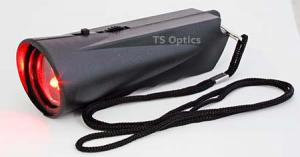
TS-Optics dimmbare Rotlicht- und Weißlicht LED Lampe Astrolampe
EUR 23,90UVP EUR 24,95Sie sparen 4.2% (EUR 1,05)
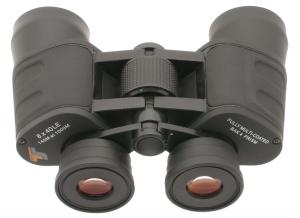
TS-Optics 8x40 LE Porro Weitwinkelfernglas - Multivergütung - gummiarmiert
EUR 74,00UVP EUR 89,00Sie sparen 16.9% (EUR 15,00)
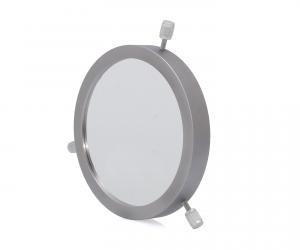
Barlow / Reducer
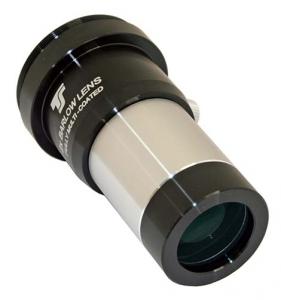
TS-Optics 1,25" Barlowlinse + Fotokonverter 2 x mit T2-Gewinde
EUR 49,00UVP EUR 59,00Sie sparen 16.9% (EUR 10,00)
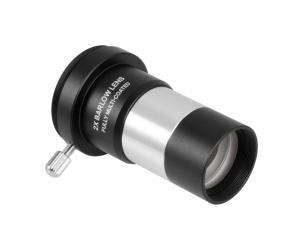
TS-Optics 1,25" Barlowlinse und Fotokonverter 2 x für Beobachtung und Astrofotografie
EUR 19,90UVP EUR 36,00Sie sparen 44.7% (EUR 16,10)
Bücher
Celestron Astronomie Software und Sternkartenprogramm The Sky Level 1
EUR 11,90UVP EUR 19,90Sie sparen 40.2% (EUR 8,00)
Fotografisches Zubehör
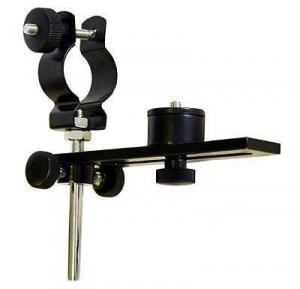
Digiklemme 1 - universelle Befestigung der Digitalkamera
EUR 7,95UVP EUR 19,90Sie sparen 60.1% (EUR 11,95)
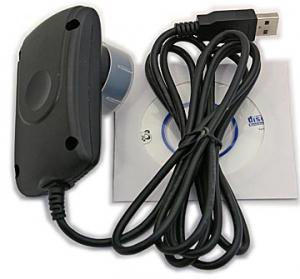
TS-Optics Astro CCD Kamera - Mond & Planeten - 1,25" Anschluss
EUR 29,95UVP EUR 89,00Sie sparen 66.3% (EUR 59,05)
Justage & Reinigung


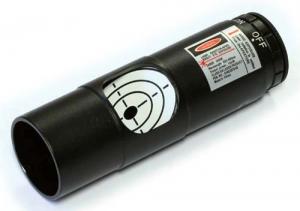
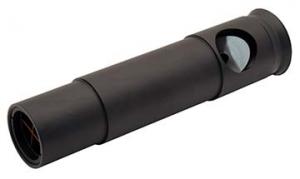
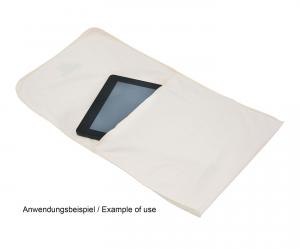
TS-Optics 3 Stück Microfaser Reinigungstuch + Schutzbeutel
EUR 15,00UVP EUR 24,90Sie sparen 39.8% (EUR 9,90)
Montierungszubehör
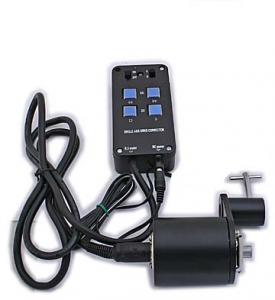
TS-Optics Schrittmotor mit Steuerung für Montierung EQ3-1
EUR 89,00UVP EUR 129,00Sie sparen 31% (EUR 40,00)
Okulare
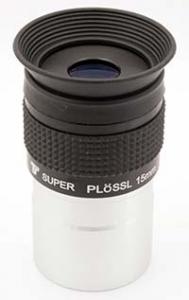
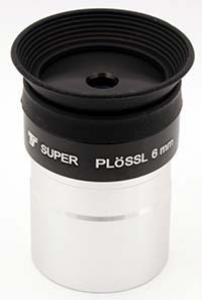
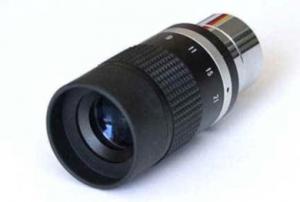
TS-Optics 1,25" Zoomokular 7-21 mm mit Fotogewinde
EUR 58,00UVP EUR 69,00Sie sparen 15.9% (EUR 11,00)
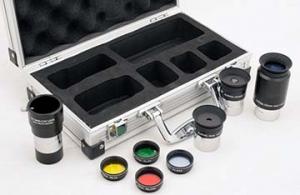
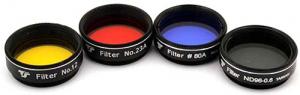
TS-Optics 1,25" Okularset mit Barlow und Filtern - 8 Teile im Koffer
EUR 119,00UVP EUR 159,00Sie sparen 25.2% (EUR 40,00)
Okularseitiges Zubehör
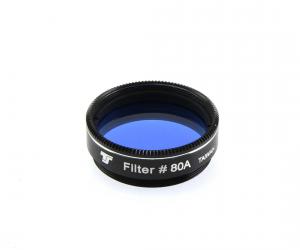
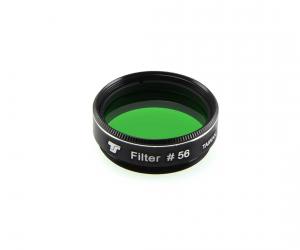
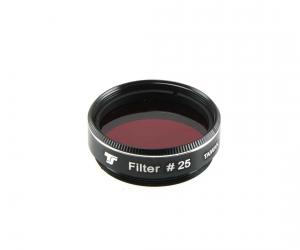
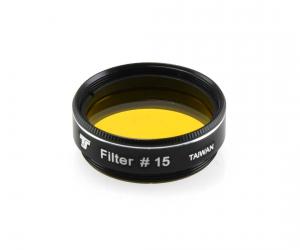
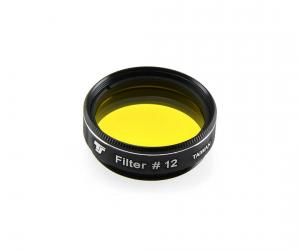
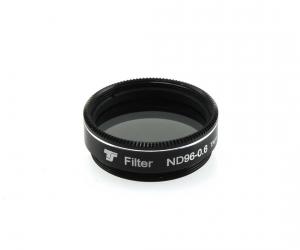
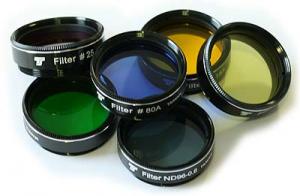
TS-Optics 1,25" Graufilter und Mondfilter - 25 % Transmission
EUR 19,90UVP EUR 24,90Sie sparen 20.1% (EUR 5,00)
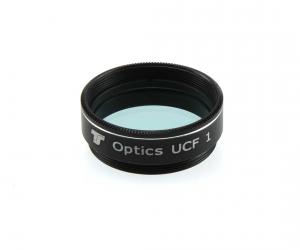
TS-Optics 1,25" UCF Mondfilter, Planetenfilter und Nebelfilter
EUR 19,90UVP EUR 26,90Sie sparen 26% (EUR 7,00)
Schutz und Transport
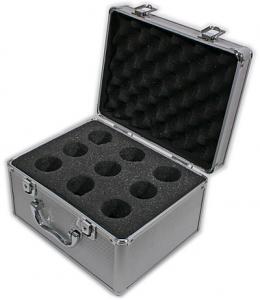
TS-Optics Deluxe Aluminium Okularkoffer für 9 Okulare oder Adapter
EUR 33,90UVP EUR 59,00Sie sparen 42.5% (EUR 25,10)
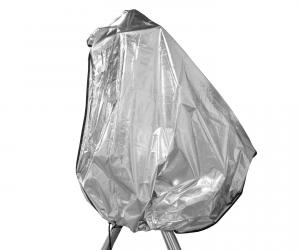
TS-Optics Schutzhülle für mittlere Teleskope bis 100 cm Länge auf parallaktischer...
EUR 49,90UVP EUR 74,90Sie sparen 33.4% (EUR 25,00)
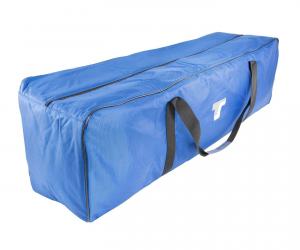
TS-Optics BAG105 - gepolsterte Tragetasche für Teleskope bis 8", L = 104 cm
EUR 79,00UVP EUR 99,00Sie sparen 20.2% (EUR 20,00)
Sucher & Zubehör
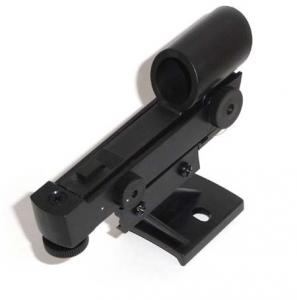
Ähnliche Produkte
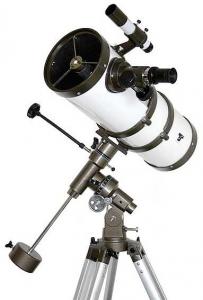
TS-Optics Einsteigerteleskop Newton 150/750 mm auf EQ3-1 Montierung
EUR 229,90UVP EUR 349,00Sie sparen 34.1% (EUR 119,10)
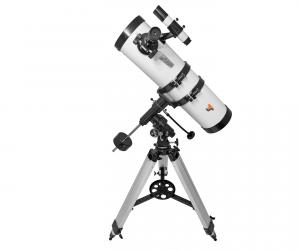
TS-Optics Einsteigerteleskop Newton 130/650 auf EQ3-1 Montierung
EUR 179,00UVP EUR 299,00Sie sparen 40.1% (EUR 120,00)
Bewertungen
Geschrieben von Julia Pfeiffer
am 2026-02-17
"Gutes Produkt für Einsteiger. "
Geschrieben von Jens Perkiewicz
am 2026-01-04
"Klassisches Einsteiger-Newton, gekauft für mein Patenkind (6J). Die Montierung ist nicht die stabilste aber brauchbar, was aber insgesamt dem günstigen dem Preis geschuldet ist. Für den Einstieg in die visuelle Astronomie von Mond und Planeten ein gutes Teleskop."
Geschrieben von Tatiana Mattern
am 2025-11-05
"Die Lieferung erfolgte schnell und problemlos, alles war gut verpackt und in einwandfreiem Zustand. Den Teleskop konnten wir wegen der bewölkten Nächte und des Wetters bisher noch nicht testen, aber der erste Eindruck ist sehr positiv."
Geschrieben von Erich Dvorak
am 2025-03-11
"hält was es verspricht"
Geschrieben von Dmitry Yakubenko
am 2021-10-04
"Оправдал ожидания"
Geschrieben von Karsten Thulke
am 2020-06-30
"Ein tolles Teleskoop für Beginner, die Montierung ist ein bisschen Schwach."
Geschrieben von Heidi Hemmers
am 2020-01-03
"Tolles Teleskop und sowohl für Einsteiger als auch Experten geeignet. Meine 13 jährige Tochter nutzt es und kann viel damit machen, auch wenn die erste Handhabung Geduld benötigt. Zum transportieren ist es für sie noch zu schwer daher würde ich Kindern ein leichteres empfehlen."
Geschrieben von Holger Raab
am 2020-01-02
"Stativ und Teleskop machen einen sehr wertigen Eindruck in dieser Preislage. Die ersten ""Durchblicke "" waren schon mal vielversprechend. Alles weitere wird sich zeigen. Da das Teleskop ja noch aufgerüstet werden kann, halte ich es für Einsteiger empfehlenswert. "
Geschrieben von Thomas Hofsommer
am 2017-03-23
"Einfach nur Top!!! Service, Qualität und Leistung. Kann es nur weiterempfehlen "
Geschrieben von Kathrin Hellwig
am 2016-05-23
"Sterne und Mond Beobachtung Gerät ist top"
Geschrieben von Markus Röllgen
am 2016-03-23
"Das Produkt ist einwandfrei, lediglich die Bedienungsanleitung ist was den Zusammenbau betrifft etwas verwirrend. Viele Abbildungen, nur nicht das gekaufte Teleskop. Sehr gute Abhilfe ist die Kopie des Teleskopes von der Webseite. Wegen der Retoure kann ich zur Verwendung wenig schreiben."
