

- Telescopes
- Overview:
Telescopes - Achromatic Refractor
- Apochromatic Refractor
- Overview:
Apochromatic Refractor - ED Refractor - less color aberration than an achromatic
- SD APO - color free 2-element APO objective
- EDT APO - 3 element ED objective
- High End APO with 3-element APO objective - no color aberation
- Flatfield APO with flat field for Astrophotography
- All Apos and EDs from all manufacturers - large overview
- TS APO and ED from Japan with high quality optics
- Overview:
- Newtonian Telescopes
- Dobsonian Telescopes
- RC Ritchey Chretien Telescopes
- Casssegrain Telescopes
- Reflektor Telescopce with Lens Correcture
- Maksutov Cassegrain Telescopes
- GoTo Telescopes
- Smart Telescopes
- Solar Telescopes H-Alpha
- Overview:
- Mounts Tripods Rings Rails Power Supply ...
- Overview:
Mounts Tripods Rings Rails Power Supply ... - Mounts Equatorial with GoTo
- Mounts Equatorial without GoTo
- Mounts Azimutal with GoTo
- Mounts Azimutal without GoTo
- Mounts GoTo - Harmonic Drive
- Travel mounts for astro imaging
- Tripods Piers Polar Wedges
- Mount Control & Electronics
- Dovetail Clamps, Plates and Mount Adapters
- Tube Rings
- Power Supply
- Counterweights Balance Weights
- Mount Accessories - Other
- Overview:
- Telescope Accessories
- Overview:
Telescope Accessories - Eyepieces
- Barlows & Reducer Lenses
- Diagonal Mirrors and Prisms
- Binocular Viewers
- Finder Scopes
- Telescope Collimation and Test
- Cleaning Tools
- Transport and Storage
- Dust protection for Telescopes & Accessories
- Stray Light Protection
- Dewcaps and Heater
- Focusers, Adapters, Motorfocus
- Telescope DIY & Improvement
- Other telescope accessories
- Replacement Parts
- Overview:
- Filters
- Overview:
Filters - Color Filters and Color Filtersets
- Nebular Filters for Visual Observing
- Neutral-Density and Polfilter
- Photo Narrowband Nebular Filters
- Photo Broadband Filters
- Photo Planetary Filters
- Photo R-G-B and IR Cut Filters
- Photo - Filtersets
- Photometric Filters
- Clip Filter for DSLR Cameras
- Filter Wheels and Filterslider
- Solar Filters for white light
- Solarfilter for H-Alpha and Calcium
- Overview:
- Adaptors
- Overview:
Adaptors - Adapter 1,25" and 24,5mm
- Adapter 2"
- Adapter T2 - M42x0.75
- Adapter M48x0,75
- Adapter M54
- Adapter SC
- Adapter M63
- Adapter M68
- Adapter to other Threads
- Adapter Extensions
- Adapter camera bayonet
- Adapter Objective Filterthread
- Adapter Quick Changing , Rotation
- Adapter Eyepiece Projection
- Adapters Tilting
- Overview:
- Astrophotography and Photography
- Overview:
Astrophotography and Photography - Cooled Cameras
- Cameras without Cooling
- Deep-Sky Cameras uncooled
- Set-Offers Camera, Filter, Wheels
- Acessories for Cameras
- Travel mounts for astro imaging
- Imaging Correctors for Telescopes
- Autoguiding Cameras & Sets
- Everything for Guiding
- Focusing aids - Bahtinov mascs
- Flat Field foils and boxes
- Lenses for Cameras
- Piggyback Camera Holder
- Camera Bags, Photocases & more
- Digital Camera and Smartphone Adapter
- Other photo accessories
- Overview:
- Binoculars, Spotting Scopes, Microscopes, Range Finders
- Overview:
Binoculars, Spotting Scopes, Microscopes, Range Finders - Spotting Scopes and Acessories
- Roof Prism Binoculars
- Binoculars with Porro prisms
- Binoculars from 100mm Aperture
- Binoculars with 1,25 inch eyepieces
- TSMX APO Binoculars
- Binoculars for Astronomy
- Binoculars Hiking Bird watching
- Monoculars - Opera Binoculars
- Accessories for Binoculars
- Range Finders
- Microscopy
- Bags for Phototripods & Binoculars
- Overview:
- Phototripods and Binomounts
- Books, Software
- Overview:
Books, Software - Books for Astronomy Beginners
- Star Charts and Planispheres
- Books about our Solar System
- Observing Tips for Amateurs
- Popular Astronomy Literature
- Teaching material
- Astrophotography books
- Telescopes, Observatories, Construction
- Calendars Yearbooks
- Software, Star Charts
- Books for Microscopers
- Books Nature and Animals
- Nature Photography TimeLapse
- Overview:
- Night Vision, Magnifiers, Weather, Domes & more
- Beginner Astronomy and Gift Ideas
- Second Hand & Special Offers
- New products

manufacturers


Manufacturer: Celestron
Product number: EHD11-OTA
EUR4199.00new
EUR 4.199,00RRP EUR 4.599,00you save 8.7% (EUR 400,00)
incl. 19 % VAT (DE)
The VAT indicated refers to that applicable in Germany. After logging in, the VAT amount is adjusted to the applicable VAT of the stored delivery country. Therefore, the final price may vary accordingly.
excl. 45.95 € shipping costs (DE)
more details to the shipping costs ...Please log in to calculate shipping costs to your country.
Product expected to be available from 26.10.2026

There are no reviews for this product


- Details..
- Technical data..
- In the box..
- Reviews..
- Manufacturer infos..
- Safety informations..
Celestron 1100 EHD 11" Optical Tube Assembly
The EdgeHD is an aplanatic, flat field Schmidt-Cassegrain telescope that produces aberration-free images across a wide visual and photographic field of view. The optical system was designed to reduce more than just off-axis star coma; it also provides an astrograph-quality flat focal plane all the way to the edge of the field of view.The Celestron XLT multi-coating enhances constrast and brightness even further, for astrophotography as well as for observation. We recommend the EdgeHD for astrophotographers and for dedicated observers who want to use a large aperture as mobile unit.
With 12.7 kg tube weight, the EdgeHD 1100 can still be used mobile. It can be held by a Celestron CGEM mount or the CGEM-DX, even for astrophotography. However, the telescope also makes a good impression in compact obervatories.
The Celestron EdgeHD Telescope advantages:
Astrophotographic results obtained with this telescope on Astrobin
Here you can find some astrophotographs made with this telescope model: Link to Astrobin| Aperture: | 280 mm |
| Focal length: | 2800 mm |
| Focal ratio: | f/10 |
| Maximum useful magnification: | 661x |
| Limiting visual magnitude: | 15.5 mag |
| Resolution: | 0.41" |
| Diametrical obstruction: | 95.25 mm (34%) |
| Tube length: | 609 mm |
| Tube weight: | 12.7 kg |
| Distance for optimal sharpness in field: | 146 mm from the rear support surface of the 3" SC thread to the sensor |
Astrophotographic results obtained with this telescope on Astrobin
Here you can find some astrophotographs made with this telescope model: Link to AstrobinImage sequence by a customer
Our customer Dominique "Dodi" Dierick from Ghent (Belgium) has taken several images of Jupiter and combined them into one image. This shows the rotation nicely, whereby the movement of a bright disturbance in the lower dark band is particularly striking.More important, however, is the outbreak in the NTrZ, the bright strip above the upper dark belt. This phenomenon occurs on average every five years and is visible as a bright spot. Here also a bright area in the belt is visible below it:
 Object: Jupiter
Photographer: Dominique "Dodi" Dierick from Ghent (Belgium)
Telescope: Celestron EdgeHD 1100 (EHD11-OTA)
Focal extender: TeleVue Powermate 2.5x Barlow lens (PMT2513)
Camera: Player One Uranus-C
Mount: 10Micron GM 2000 HPS (current version: BA1452030)
We congratulate Dominique Dierick on these fascinating pictures!
Two images of Jupiter taken by another customer
Our customer Torsten Großmann from Nuthe-Urstromtal (Germany) took several thousand frames of Jupiter two times in January 2026 and stacked them into one image each time - once with the Great Red Spot and once without: Object: Jupiter with the Great Red Spot
Photographer: Torsten Großmann from Nuthe-Urstromtal (Germany)
Telescope: Celestron EdgeHD 1100 (EHD11-OTA)
Camera: ZWO ASI662MC
Stacking: 6000 frames
 Object: Jupiter, side without GRS
Photographer: Torsten Großmann from Nuthe-Urstromtal (Germany)
Telescope: Celestron EdgeHD 1100 (EHD11-OTA)
Camera: ZWO ASI662MC
Stacking: 12000 frames
We congratulate Torsten Großmann on these great pictures!
| Manufacturer / Importeur: | Baader Planetarium GmbH |
| Street: | Zur Sternwarte |
| ZIP / City: | 82291 Mammendorf |
| Country: | Germany |
| Telefon number: | +49 8145 80890 |
| Email: | kontakt@baader-planetarium.de |
| Website: | www.baader-planetarium.com |
Safety informations: PDF Download
Recommended accessories
Accessories for mounts
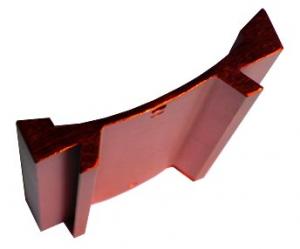
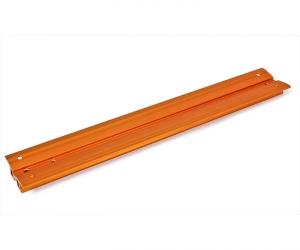
Celestron Losmandy Style Dovetail bar for C11 and EdgeHD 1100 - length 445 mm

- Only 1 pcs left in stock
EUR 85,00
Adaptors
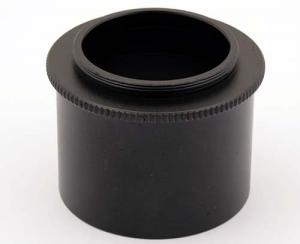
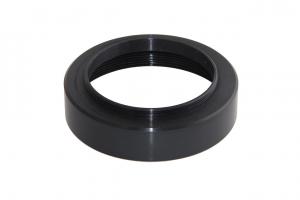

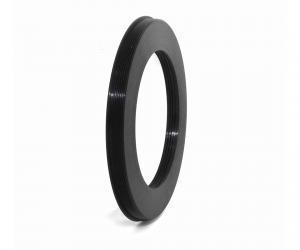
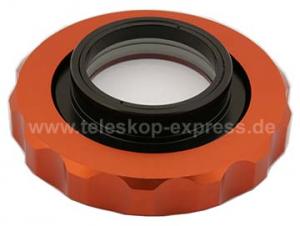
TS-Optics T-adapter for Celestron Edge HD telescopes - 2" filter thread
EUR 76,90RRP EUR 104,00you save 26.1% (EUR 27,10)

Alternatives to this product - Suggestions from TS
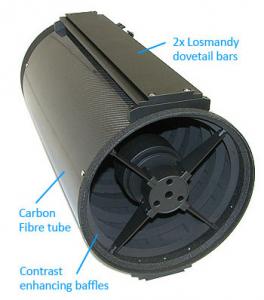
TS-Optics GSO 10" Ritchey-Chretien Pro RC Telescope 250/200 mm - Carbon tube
- Only 2 pcs left in stock
EUR 2.990,00RRP EUR 3.499,00you save 14.5% (EUR 509,00)
Cleaning & Collimating


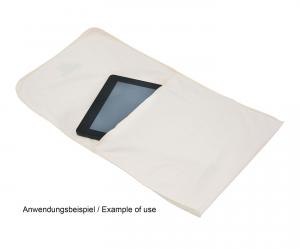
TS-Optics Optical Soft Microfibre Cleaning Cloth and Bag, 26x24 cm
EUR 7,50RRP EUR 11,95you save 37.2% (EUR 4,45)

Customers who bought this product also bought...
Diagonal Mirrors & Prisms
Eyepiece-side accessories like Filters
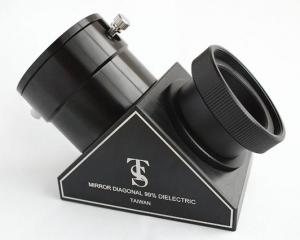
TS-Optics SC 2" Star Diagonal - 99% - Compression Ring - SCT Thread
EUR 159,00RRP EUR 179,00you save 11.2% (EUR 20,00)
Eyepieces
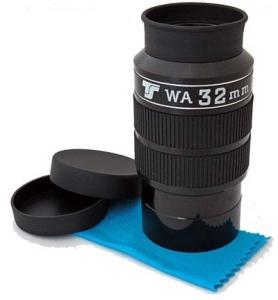
TS-Optics 32 mm / 70° wide-angle eyepiece with 2" mount
EUR 98,00RRP EUR 139,00you save 29.5% (EUR 41,00)
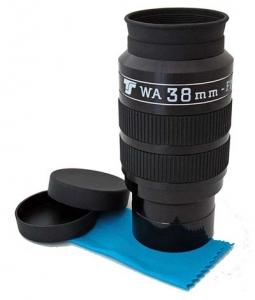
TS-Optics 38 mm / 70° wide-angle eyepiece with 2" mount
EUR 109,90RRP EUR 159,00you save 30.9% (EUR 49,10)
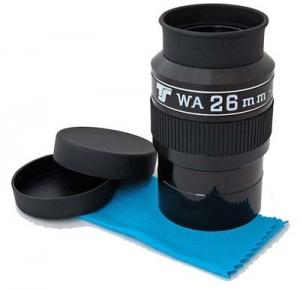
TS-Optics 26 mm / 70° wide-angle eyepiece with 2" mount
EUR 84,00RRP EUR 119,00you save 29.4% (EUR 35,00)
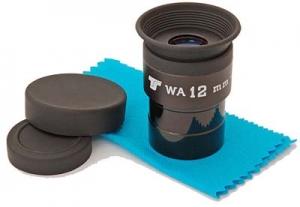
TS-Optics 12 mm / 70° wide-angle eyepiece with 1.25" thread
EUR 39,00RRP EUR 59,00you save 33.9% (EUR 20,00)
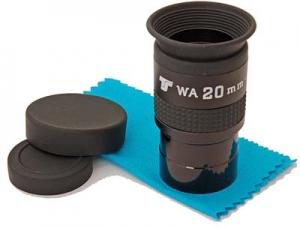
TS-Optics 20 mm / 70° wide-angle eyepiece with 1.25" thread
EUR 54,90RRP EUR 89,00you save 38.3% (EUR 34,10)
General Accessories
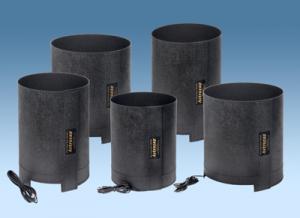
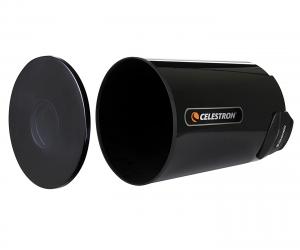
Astrozap Flexi-Heat Dew Shield with Notch - fits Tubes D=314 mm
- Only 2 pcs left in stock
EUR 299,00RRP EUR 369,00you save 19% (EUR 70,00)



ZWO EAF focus motor with USB-C connection for power supply and data transfer
EUR 275,00RRP EUR 299,00you save 8% (EUR 24,00)
ZWO EAF focus motor with USB-C connection, Bluetooth and integrated rechargeable battery
EUR 399,00RRP EUR 439,00you save 9.1% (EUR 40,00)
Photo Acessories
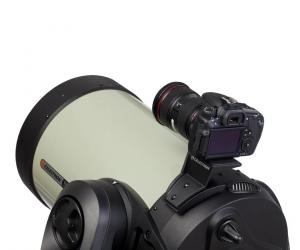
Celestron Universal Piggyback Camera Mount for Schmidt Cassegrain Telescopes
- Only 1 pcs left in stock
EUR 35,00
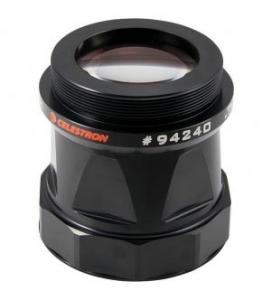
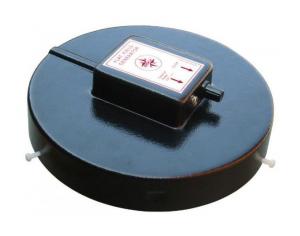
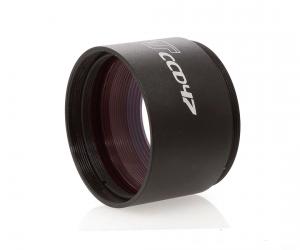
Celestron 0.7x Reducer for EdgeHD 1100, useable up to full-frame size
- Only 2 pcs left in stock
EUR 1.199,00

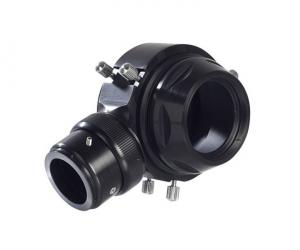

Similar Products
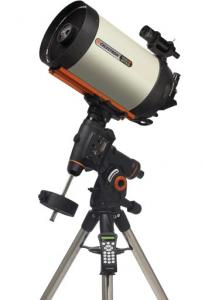
Celestron CGEM 1100 EdgeHD - 280/2800mm Flatfield GoTo Telescope
- Only 1 pcs left in stock
EUR 6.999,00
Transport & Covers
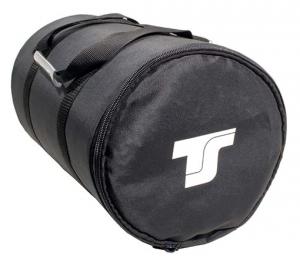
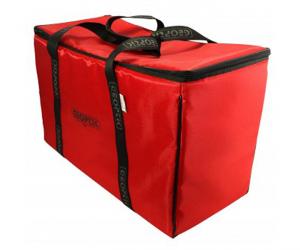
Geoptik Carrying Bag for 11" SC EHD and 10" RC ACF Telescopes - OTAs
- Only 2 pcs left in stock
EUR 149,00
Reviews
