

- Teleskope
- Übersicht:
Teleskope - Achromatische Refraktoren
- APOchromatische Refraktoren
- Übersicht:
APOchromatische Refraktoren - ED Refraktor - weniger Farbfehler als ein Achromat
- SD APO - farbreines 2-Element APO Objektiv
- EDT APO - 3-Element ED Objektiv
- VOLL APO mit 3-Element APO Objektiv - kein Farbfehler
- Flatfield APO mit ebenem Bildfeld für Astrofotografie
- Alle Apos und EDs aller Hersteller - große Übersicht
- TS APO und ED aus Japan mit Qualitätsoptiken
- Übersicht:
- Newton Teleskope
- Dobson Teleskope
- RC Ritchey Chretien Teleskope
- Cassegrain Teleskope
- Spiegelteleskope mit Linsenkorrektur
- Maksutov Cassegrain Teleskope
- GoTo Teleskope
- Sonnenteleskope H-Alpha
- Übersicht:
- Montierungen Stative Schellen Schienen Stromversorgung
- Übersicht:
Montierungen Stative Schellen Schienen Stromversorgung - Montierungen Parallaktisch mit GoTo
- Montierungen Parallaktisch ohne GoTo
- Montierungen AZ mit GoTo
- Montierungen AZ ohne GoTo
- Montierungen GoTo - Harmonic Drive
- Reisemontierungen für Astrofotografie
- Stative Säulen Polhöhenwiegen
- Montierungssteuerung Elektronik
- Prismenklemmen, Schienen, Montierungsadapter
- Rohrschellen
- Stromversorgung
- Gegengewichte Laufgewichte
- Montierungszubehör Divers
- Übersicht:
- Teleskop-Zubehör
- Übersicht:
Teleskop-Zubehör - Okulare
- Barlowlinsen & Reducer
- Zenitspiegel & Prismen
- Binokulare Ansätze
- Sucherteleskope
- Teleskopjustage und Test
- Reinigung und Pflege
- Transport und Aufbewahrung
- Staubschutz für Teleskope & Zubehör
- Schutz gegen Streulicht
- Tauschutzkappen, Heizung, Lüfter
- Auszüge, Teleskopadapter, Motorfokus
- Teleskop Selbstbau & Verbesserung
- Weiteres Teleskopzubehör
- Zubehör-Ersatzteile
- Übersicht:
- Filter
- Übersicht:
Filter - Farbfilter und Farbfiltersets
- Nebelfilter für die Beobachtung
- Neutralfilter und Polarisation Filter
- Foto Schmalband Nebelfilter
- Foto Breitband Nebelfilter
- Foto Planetenfilter
- Foto R-G-B und IR-Sperr Filter
- Foto - Filtersets
- Photometrische Filter
- Clip Filter für Spiegelreflexkameras
- Filterrad Filterschublade Filterschieber
- Sonnenfilter für Weißlicht
- Sonnenfilter für H-Alpha und Kalzium
- Übersicht:
- Adapter
- Übersicht:
Adapter - Adapter 1,25" und 24,5mm
- Adapter 2"
- Adapter T2 - M42x0,75
- Adapter M48x0,75
- Adapter M54
- Adapter SC
- Adapter M63
- Adapter M68
- Adapter auf weitere Gewinde
- Adapter Verlängerung
- Adapter Kamerabajonett
- Adapter Objektiv-Filtergewinde
- Adapter Schnellkupplung und Rotation
- Adapter Okularprojektion
- Adapter Tilting
- Übersicht:
- Astrofotografie und Fotografie
- Übersicht:
Astrofotografie und Fotografie - Kameras gekühlt
- Kameras ungekühlt
- Kameras Deep-Sky ungekühlt
- Kameras Setangebote mit Filter
- Zubehör für Kameras
- Reisemontierungen für Astrofotografie
- Bildfeld Korrektoren für Teleskope
- Autoguider Kameras & Sets
- Alles für die Nachführung
- Scharfstellhilfen - Bahtinov Masken
- Flatfield Leuchtfolien und Boxen
- Kameraobjektive
- Piggyback Astrofotografie
- Digiklemmen Smartphone Adapter
- Kamerataschen, Fotokoffer, Zubehör
- Weiteres Fotozubehör
- Übersicht:
- Ferngläser, Spektive, Mikroskope, Entfernungsmesser
- Übersicht:
Ferngläser, Spektive, Mikroskope, Entfernungsmesser - Dachkant Prismen Ferngläser
- Ferngläser mit Porro Prismen
- Ferngläser ab 100mm Öffnung
- Ferngläser mit 1,25 Zoll Okularen
- TSMX APO Ferngläser
- Ferngläser für Astronomie
- Ferngläser Wandern Jagd Vögel
- Monokulare - Opernglas
- Zubehör für Ferngläser
- Spektive
- Entfernungsmesser
- Mikroskopie
- Taschen für Fotostative & Ferngläser
- Übersicht:
- Fotostative und Schwenkmontierungen
- Bücher, Software
- Übersicht:
Bücher, Software - Bücher für Astronomie-Einsteiger
- Sternkarten und Atlanten
- Bücher über das Sonnensystem
- Beobachtungstipps für Sternfreunde
- Allgemeine Astronomie Literatur
- Lehrmittel
- Astrofotografie Bücher
- Teleskoptechnik, Sternwarten, Selbstbau
- Jahreskalender und Jahrbücher
- Software Sternkarten
- Bücher über Mikroskopie
- Bücher Natur und Umwelt
- Naturfotografie TimeLapse
- Übersicht:
- Nachtsichtgeräte, Lupen, Wetter, Sternwarten & mehr
- Einsteiger-Astronomie und Geschenkideen
- Schnäppchen & Aktionen neu/gebraucht
- Neue Artikel

Hersteller


Willkommen im neuen Shop von Teleskop-Express!
Liebe Kundinnen, liebe Kunden,genießen Sie unsere bewährte Produkt- und Markenvielfalt nun auch von ihrem Smartphone oder Tablet in einem neuen, modernen Design. Filtern Sie nach Artikelgruppen über die Menüleiste, wählen Sie direkt einen Hersteller aus oder nutzen Sie die freie Suche und passen Sie die Ergebnisse ganz nach ihren Wünschen an.
Bei Fragen zur Bedienung und Navigation unseres neuen Onlineshops wenden Sie sich bitte an shopinfo@teleskop-service.de
Wir wünschen Ihnen viel Spaß bei Ihrem neuen Shopping-Erlebnis.
Ihr Team von Teleskop Express.

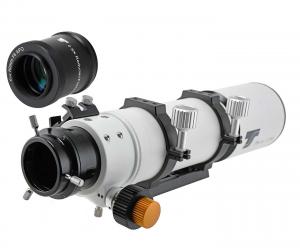
TS-Optics 80 mm f/4,8 FPL53 Triplet Apo mit Korrektor für Astrofotografie

EUR 999,00UVP EUR 1.399,00Sie sparen 28.6% (EUR 400,00)
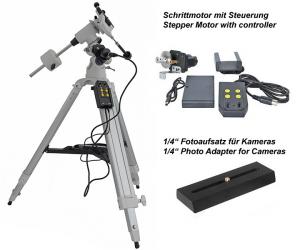
TS-Optics EQ25 Astrofotomontierung für kleine Teleskope und Kameraobjektive
EUR 249,00UVP EUR 355,00Sie sparen 29.9% (EUR 106,00)
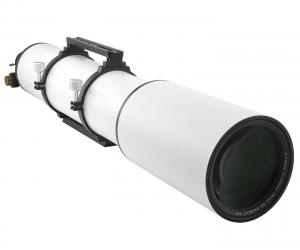
TS-Optics Doublet SD-Apo 150 mm f/8 FPL53 / Lanthanglas Objektiv - 3,7" Auszug
EUR 2.990,00UVP EUR 3.899,00Sie sparen 23.3% (EUR 909,00)
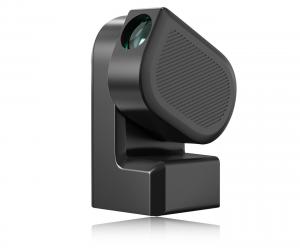
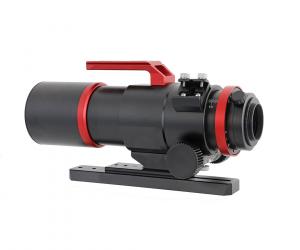
TS-Optics 60 mm f/5 Quadruplet Flatfield APO Astrograph mit FPL53 Objektiv
EUR 1.075,00UVP EUR 1.299,00Sie sparen 17.2% (EUR 224,00)
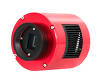
ZWO Color Astrokamera ASI585MC Pro gekühlt, Sensor D=12,84 mm, Pixel 2,9 µm

EUR 749,00UVP EUR 799,00Sie sparen 6.3% (EUR 50,00)
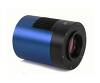
TS-Optics ToupTek Farb Astrokamera 294CP Sony IMX294 Sensor D=23,1 mm
EUR 999,00UVP EUR 1.294,00Sie sparen 22.8% (EUR 295,00)
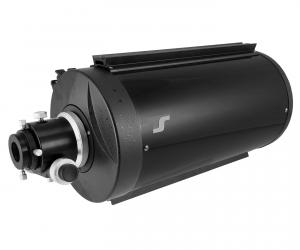
TS-Optics GSO 8" Ritchey-Chretien Pro RC Teleskop 203/1624 mm OTA
EUR 999,00UVP EUR 1.190,00Sie sparen 16.1% (EUR 191,00)
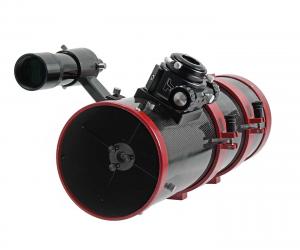
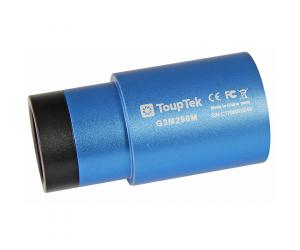
TS-Optics ToupTek G3M290M Mono Planetenkamera und Autoguider - Chip D=6,46 mm
EUR 219,00UVP EUR 299,00Sie sparen 26.8% (EUR 80,00)
